From Kraft to Mondelēz: Irene Rosenfeld's Path to $80M Net Worth
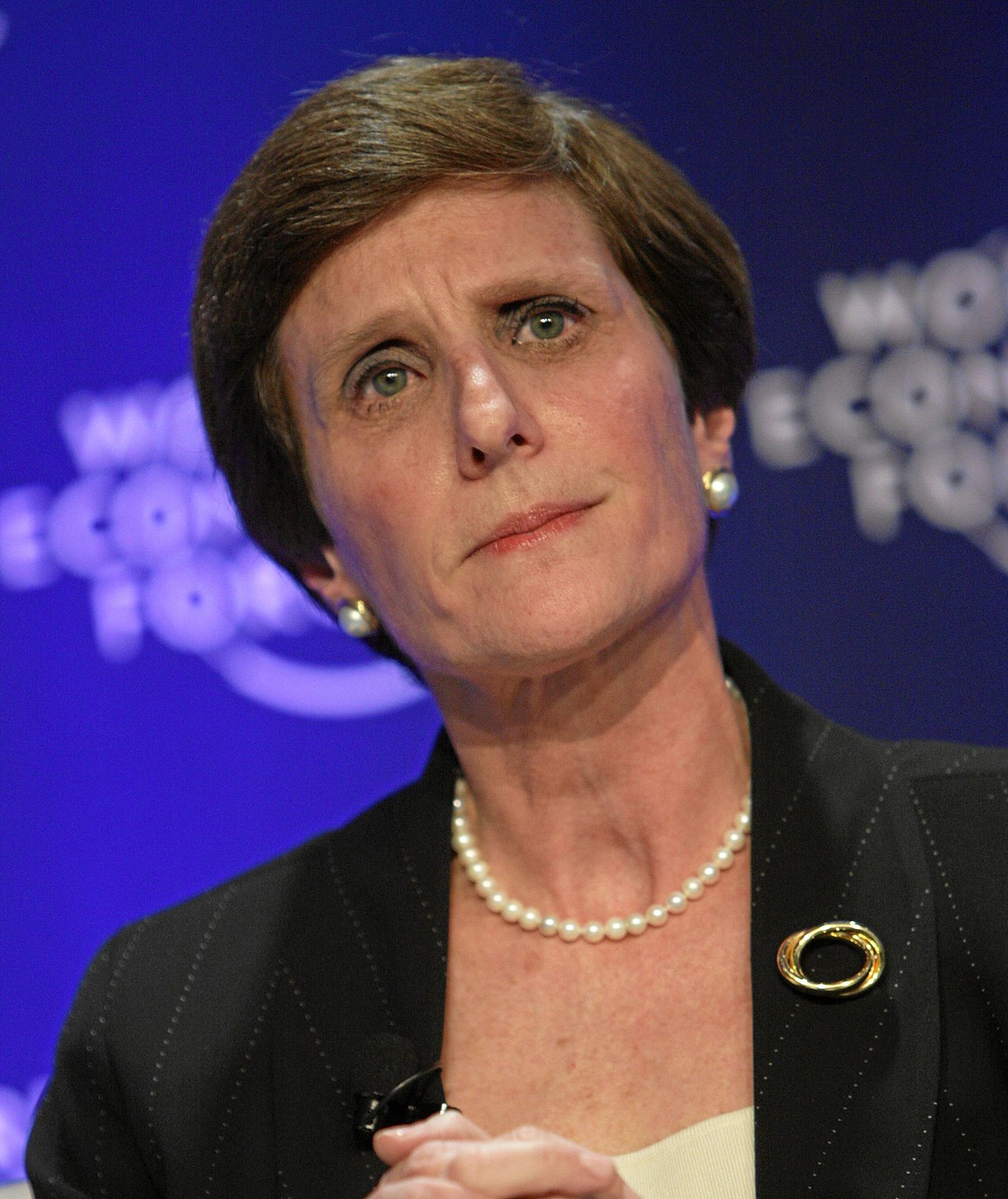
Irene Blecker Rosenfeld stands as a titan in the food and beverage industry, a businesswoman whose strategic vision reshaped corporate giants and left an indelible mark on household brands globally. Born on May 3, 1953, in Westbury, New York, Rosenfeld's journey from a bright student to the CEO and Chairwoman of Mondelēz International is a testament to astute leadership and unyielding determination. Her career, spanning several decades, culminated in an estimated **irene rosenfeld net worth** of $80 million by mid-2017, a figure that reflects her profound impact and significant contributions to the corporate world. This impressive fortune wasn't accumulated overnight but through a carefully navigated career marked by bold decisions and strategic foresight.
The Foundational Years: Education and Early Career
Irene Rosenfeld's intellectual prowess was evident from her early days. Raised in a Jewish family in Westbury, she pursued higher education with a clear commitment to academic excellence. After graduating from W. Tresper Clarke High School, she enrolled at Cornell University in Ithaca, a prestigious institution that would shape her academic and professional trajectory. In 1975, Rosenfeld earned a Bachelor of Arts degree in Psychology, a discipline that no doubt honed her understanding of consumer behavior – a critical asset in the marketing world she would soon dominate.
Her pursuit of knowledge didn't stop there. She continued her education at Cornell, securing an MA degree in Business Administration in 1977. This was quickly followed by a Ph.D. in Marketing and Statistics in 1980, both from the same esteemed university. This robust academic background, combining psychology with advanced business and statistical analysis, provided her with a unique and powerful toolkit for navigating the complexities of the corporate landscape. It equipped her not only with leadership skills but also with a deep, data-driven understanding of markets and consumers.
Right after completing her doctorate, Rosenfeld embarked on her professional journey. Her first step into the business world was at Dancer Fitzgerald Sample, an advertising agency in New York City, where she spent a year gaining valuable insights into brand promotion and consumer engagement. This initial experience laid the groundwork for her understanding of how brands connect with people, an understanding that would prove invaluable throughout her career and ultimately contribute to her substantial **irene rosenfeld net worth**.
Ascending the Corporate Ladder: From General Foods to Kraft
The turning point in Irene Rosenfeld's career came in 1981 when she joined General Foods Corporation. Here, she immersed herself in consumer research, a role perfectly aligned with her academic background. She dedicated 15 years to the company, steadily climbing the ranks and eventually assuming managerial responsibilities. Her tenure at General Foods allowed her to develop a deep understanding of the food industry from the ground up, learning about product development, market segmentation, and brand management.
When Philip Morris, a tobacco giant, acquired General Foods, Rosenfeld's career transitioned to Kraft Foods, another major player in the Philip Morris portfolio. This move provided her with an even larger platform. By 1996, her leadership capabilities were undeniable, leading to her appointment in charge of Kraft's entire division in Canada. This was a significant promotion, demonstrating the company's trust in her strategic abilities to manage an international market.
The early 2000s saw Rosenfeld taking on even more critical roles. In 2000, she began the complex task of merging products from Philip Morris into the Kraft Foods portfolio, a delicate process requiring astute integration strategies. The following year, her expertise was recognized when she was selected as a key member of a committee tasked with preparing Kraft for its much-anticipated public stock offering. These high-stakes roles were instrumental in showcasing her strategic acumen and significantly added to her reputation and, by extension, her growing **irene rosenfeld net worth**.
The PepsiCo Interlude and a Triumphant Return to Kraft
In 2004, Irene Rosenfeld made a pivotal career move, leaving Kraft to become the CEO and Chairwoman of Frito-Lay, a major division of PepsiCo, Inc. This was a testament to her standing as a top-tier executive, capable of leading one of the world's most successful snack food companies. At Frito-Lay, she was responsible for promoting a vast array of popular snack products, further broadening her experience in a highly competitive consumer market. This period away from Kraft allowed her to gain new perspectives and leadership insights from a different corporate culture.
However, the allure of Kraft Foods was strong, and in 2006, Irene Rosenfeld made a triumphant return, this time as its Chief Executive Officer. Her return was heralded as a strategic coup for Kraft, with expectations high for her leadership. The following year, she was also named the company’s Chairwoman, solidifying her position at the helm of one of America's most iconic food companies. This dual role placed her in a prime position to steer Kraft into a new era of growth and profitability, a move that would substantially contribute to her overall **irene rosenfeld net worth**.
The Mondelēz Transformation: A Legacy-Defining Split
The most defining moment of Irene Rosenfeld's career at Kraft, and arguably her entire professional life, came in 2011. With bold vision, she orchestrated the monumental split of Kraft Foods into two distinct, publicly traded companies. This decision was not merely a corporate restructuring; it was a strategic reimagining designed to unlock shareholder value and optimize operational focus.
One company, retaining the legacy Kraft name (now Kraft Heinz, post-merger with Heinz in 2015), was focused on North American grocery products, including staples like Oscar Mayer meats and Maxwell House coffee. The other, a new entity, was designed to operate as a global snacking powerhouse, marketing beloved products like Oreo cookies, Cadbury chocolates, and Trident gum worldwide. This global snacks company was named Mondelēz International, Inc.
Rosenfeld chose to lead this new, globally focused snack giant as its Chairwoman and CEO. Her rationale was clear: by separating the slow-growth North American grocery business from the faster-growing international snacks portfolio, both entities could pursue their unique growth strategies with greater agility. This daring move was a masterstroke, proving her strategic genius. It not only streamlined operations but also created immense value for shareholders. The success of Mondelēz International under her guidance further cemented her legacy and significantly augmented her **irene rosenfeld net worth**. For more details on this pivotal move, you can explore insights on her fortune in related articles such as
Mondelēz CEO Irene Rosenfeld: Her $80 Million Net Worth Explained.
Deconstructing Irene Rosenfeld's $80 Million Net Worth
Understanding how Irene Rosenfeld accumulated an estimated $80 million net worth requires a look at the various components of executive compensation and the impact of strategic leadership. As of mid-2017, her reported annual salary was over $30 million. This figure typically includes a base salary, substantial annual bonuses tied to company performance, and considerable equity-based compensation in the form of stock options and restricted stock units.
Here’s a breakdown of the key factors contributing to her impressive wealth:
*
High Executive Compensation: As the CEO and Chairwoman of major corporations like Kraft and Mondelēz, Rosenfeld commanded salaries and benefits commensurate with her immense responsibilities. Such packages are designed to attract and retain top talent capable of managing multi-billion dollar enterprises.
*
Stock Holdings and Shareholder Value Creation: A significant portion of top executive compensation is often tied to company stock. By leading strategic initiatives like the Kraft split and growing Mondelēz into a global leader, Rosenfeld directly contributed to increased share prices and shareholder value. Her personal holdings in these companies would have appreciated significantly, directly boosting her net worth.
*
Performance-Based Bonuses: Executive bonuses are frequently linked to achieving specific financial targets, market share growth, and strategic objectives. Her consistent success in meeting and exceeding these benchmarks would have resulted in substantial bonus payouts.
*
Board Memberships: While not the primary driver, serving on the boards of other organizations can also contribute to an executive's overall income and influence, further diversifying their financial portfolio.
*
Long-Term Career Progression: Her 30+ year career in the business industry, marked by continuous advancement and increased responsibility, ensured a consistent high-income stream over a prolonged period. This sustained engagement at the pinnacle of corporate leadership is a foundational element of her financial success.
Her journey is a powerful case study in how strategic thinking, continuous learning, and bold leadership can translate into extraordinary financial success. For a deeper dive into her financial specifics, consider reading
Irene Rosenfeld Net Worth & Salary: Insights on Her $80 Million Fortune.
A Legacy of Leadership and Innovation
Irene Rosenfeld's impact on the food industry extends beyond her financial achievements. She is remembered for her courage in making difficult strategic decisions, her focus on consumer insights, and her ability to navigate complex global markets. Her leadership style emphasized adaptability and a willingness to challenge the status quo, qualities essential for thriving in a rapidly evolving business environment. She was a prominent figure on lists of the world's most powerful women, a testament to her influence and leadership prowess. Her career serves as an inspiring example for aspiring business leaders, demonstrating that a blend of robust education, hands-on experience, and audacious strategic vision can lead to unparalleled success.
Conclusion
From her academic pursuits at Cornell to her transformative leadership at General Foods, Kraft, and ultimately Mondelēz International, Irene Rosenfeld carved out a remarkable career defined by strategic brilliance and unwavering commitment. Her decision to split Kraft Foods, creating a global snacking giant, remains a benchmark in corporate strategy, profoundly impacting the industry. Her estimated **irene rosenfeld net worth** of $80 million is a direct reflection of decades spent at the highest echelons of corporate America, driving innovation, creating shareholder value, and leading iconic brands into new eras of growth. Her legacy is not just one of financial success but of visionary leadership that reshaped the global food landscape.