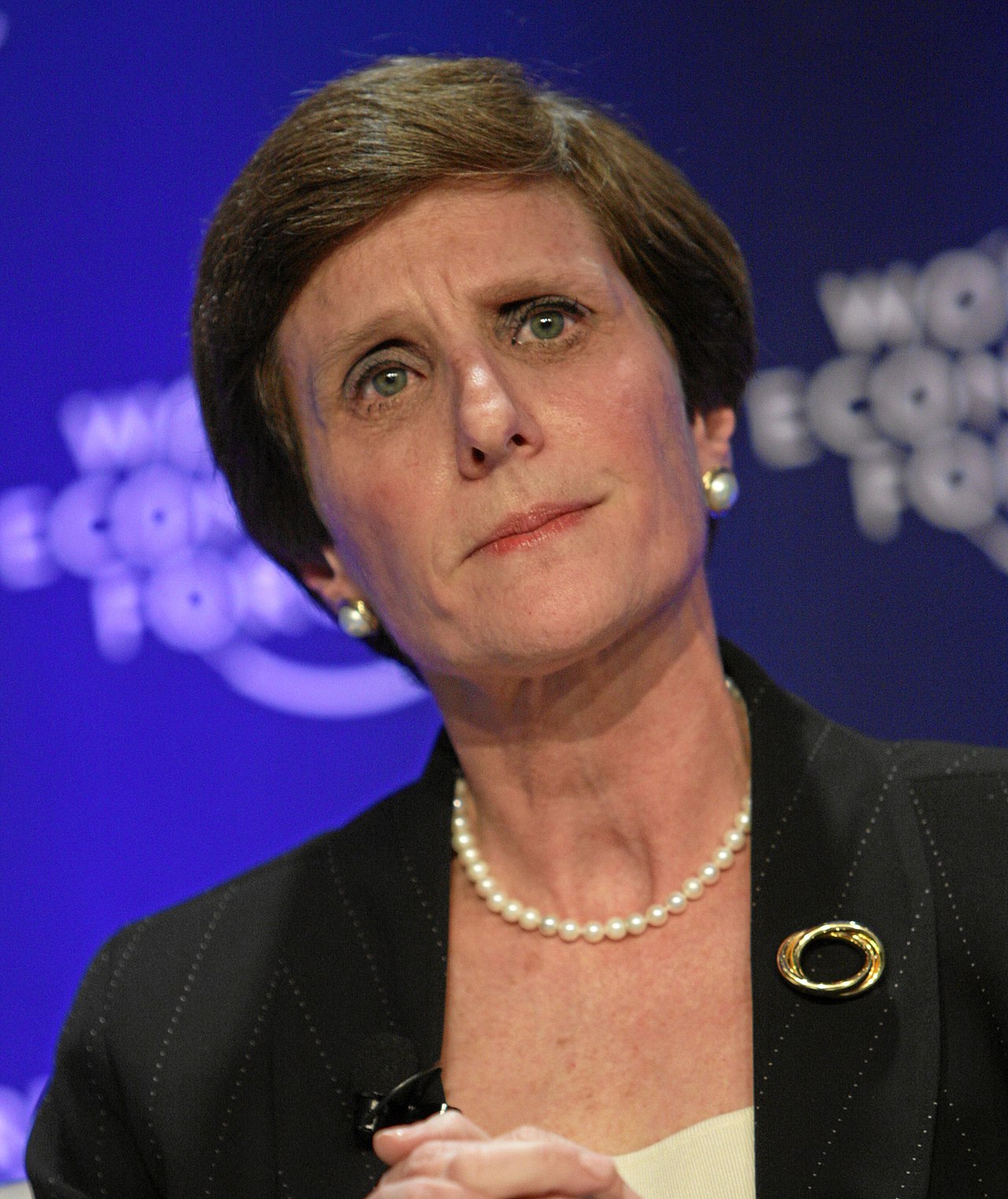
Mondelēz CEO Irene Rosenfeld: Unpacking Her Remarkable $80 Million Net Worth
Irene Blecker Rosenfeld stands as a titan in the global business arena, her name synonymous with strategic leadership and monumental corporate transformations, particularly within the competitive food and beverage industry. As the former CEO and Chairwoman of industry giants like Kraft Foods and the architect behind the creation of Mondelēz International, Rosenfeld has not only steered some of the world's most beloved brands but has also amassed a formidable personal fortune. Her estimated net worth, reported to be around $80 million as of mid-2017, is a testament to decades of high-impact decision-making, relentless dedication, and an astute understanding of market dynamics. This article delves into the journey of Irene Rosenfeld, exploring the key milestones, strategic pivots, and leadership decisions that defined her illustrious career and contributed significantly to her substantial financial success.
The Formative Years: Education and Building a Strong Foundation
Born on May 3, 1953, in Westbury, New York, Irene Rosenfeld's roots trace back to German-Jewish heritage on her mother's side and Romanian-Jewish on her father's. Her upbringing, alongside her sister in a Jewish family, instilled values that would underpin her future achievements. Rosenfeld's academic trajectory laid a robust intellectual groundwork for her eventual corporate ascent. After graduating from W. Tresper Clarke High School, she pursued higher education at the prestigious Cornell University in Ithaca.
Her time at Cornell was remarkably comprehensive and multidisciplinary, showcasing an early inclination towards understanding human behavior and market forces. She earned a Bachelor of Arts degree in Psychology in 1975, providing her with invaluable insights into consumer motivations. Not content with this foundation, she continued her studies, securing a Master of Science degree in Business Administration in 1977, which sharpened her commercial acumen. Her academic journey culminated in 1980 with a Ph.D. in Marketing and Statistics, equipping her with advanced analytical skills crucial for strategic decision-making in the data-driven world of business. This blend of psychology, business administration, marketing, and statistics proved to be an incredibly powerful toolkit, setting her apart in the competitive corporate landscape.
Her professional career kicked off immediately after graduation, first at Dancer Fitzgerald Sample, a prominent advertising agency in New York City, where she spent a year gaining insights into brand communication. This initial experience quickly transitioned into a pivotal role at General Foods Corporation in 1981, where she immersed herself in consumer research. Her 15-year tenure at General Foods saw her rise through the ranks, eventually becoming a manager. This period was crucial in understanding the intricacies of the food industry and establishing her reputation as a keen analyst and strategic thinker.
Ascending the Corporate Ladder: From Kraft to Frito-Lay and Back
Rosenfeld's career continued its upward trajectory as the corporate landscape shifted. When Philip Morris acquired General Foods, she transitioned to Kraft Foods, a subsidiary that became a cornerstone of her career. Her strategic acumen was quickly recognized, leading to significant responsibilities. By 1996, she was entrusted with leading Kraft’s entire Canadian division, a role that demanded comprehensive understanding of international markets and operational leadership.
A particularly impactful period saw her spearheading the integration of various Philip Morris products into the Kraft Foods portfolio starting in 2000, demonstrating her ability to navigate complex mergers and acquisitions. The following year, her expertise was called upon for a critical task: she was selected as a key member of the committee tasked with preparing Kraft for its public stock offering, a monumental undertaking that showcased her financial and strategic capabilities on a grand scale.
A strategic pivot came in 2004 when Rosenfeld accepted an external challenge, leaving Kraft to become the CEO and Chairwoman of Frito-Lay, a division of PepsiCo, Inc. This move was significant, placing her at the helm of a global snack powerhouse known for brands like Lay's and Doritos. Here, she was responsible for promoting their vast array of products, further honing her skills in brand management and market leadership on an international scale. This experience outside of Kraft provided her with a fresh perspective and expanded her leadership repertoire, undoubtedly enhancing her professional standing and contributing to her growing
Irene Rosenfeld net worth.
However, the allure of Kraft proved strong. In 2006, Irene Rosenfeld made a triumphant return, taking on the role of CEO of Kraft Foods. The following year, she was also named the company’s Chairwoman, solidifying her position at the very top of one of the world's largest food conglomerates. Her return marked a new era for Kraft, characterized by bold strategic initiatives and a renewed focus on global growth.
The Strategic Split: Birthing Mondelēz International
Perhaps the most defining moment of Irene Rosenfeld’s career, and a major factor in the growth of her financial standing, was her audacious decision in 2011 to split Kraft Foods into two distinct, publicly traded companies. This move was not merely a corporate restructuring; it was a visionary act designed to unlock greater value for shareholders and create more focused business entities.
The split resulted in:
- Kraft Foods Group: This entity focused on the North American grocery business, encompassing iconic brands like Oscar Mayer meats, Maxwell House coffee, Velveeta, and Jell-O. It catered to the more mature, but stable, grocery market.
- Mondelēz International, Inc.: This was Rosenfeld's brainchild, designed to be a global snacking powerhouse. It took charge of beloved brands such as Oreo cookies, Cadbury chocolates, Trident gum, and belVita biscuits, targeting higher growth markets around the world.
Rosenfeld chose to lead the newly formed Mondelēz International, taking on the roles of Chairwoman and CEO. Her decision to head the global snacks business underscored her belief in the immense growth potential of this segment, particularly in emerging markets. This strategic separation allowed both companies to pursue distinct growth strategies, allocate resources more effectively, and respond to their respective market challenges with greater agility. The creation of Mondelēz International, under her direct stewardship, was a significant driver of shareholder value and a testament to her profound impact on the industry, directly influencing her impressive
From Kraft to Mondelēz: Irene Rosenfeld's Path to $80M Net Worth.
Deconstructing Irene Rosenfeld's Net Worth: Sources of Her $80 Million Fortune
The accumulation of Irene Rosenfeld's estimated $80 million net worth is a culmination of several factors inherent in leading multi-billion-dollar global corporations. Her financial success is primarily derived from a combination of:
- High Annual Salary: As the CEO and Chairwoman of companies like Kraft and Mondelēz, Rosenfeld commanded a substantial annual salary. Authoritative sources indicate her annual salary was over $30 million during her peak years, a reflection of her responsibility and the scale of the businesses she managed.
- Stock Options and Equity Awards: A significant portion of executive compensation packages comes in the form of stock options, restricted stock units, and other equity-based incentives. These components align executive interests with shareholder value creation. When company performance is strong, and stock prices rise (as they did under her leadership at various points), the value of these equity awards can multiply exponentially.
- Performance Bonuses: Annual and long-term incentive bonuses tied to specific performance metrics (e.g., revenue growth, profit margins, market share) also contributed substantially. Her strategic initiatives, such as the Kraft split, often led to significant boosts in shareholder value, which would have translated into considerable performance-related payouts.
- Severance Packages and Retirement Benefits: As a long-serving executive, generous retirement plans, deferred compensation, and potential severance agreements upon her eventual departure would also have played a role in fortifying her total wealth.
- Board Memberships and Other Engagements: While the reference context cut off, it notes her involvement in "a number of organizations." High-profile executives often serve on the boards of other corporations or non-profit organizations, which typically come with director fees and additional compensation, further adding to their financial portfolio.
Her career demonstrated an ability to consistently deliver results, drive growth, and make bold strategic decisions that reshaped corporate landscapes. This consistent track record of success directly translated into the financial rewards that explain her impressive
Irene Rosenfeld Net Worth & Salary: Insights on Her $80 Million Fortune.
Lessons in Leadership: Building a Fortune Through Strategic Vision
Irene Rosenfeld’s career offers invaluable insights for aspiring business leaders and anyone looking to understand the dynamics of corporate success. Her journey highlights several critical elements:
- The Power of Education and Lifelong Learning: Her extensive academic background, encompassing psychology, business, marketing, and statistics, underscores the importance of a broad and deep educational foundation. It equipped her with diverse perspectives to tackle complex business problems.
- Strategic Vision and Decisive Action: Rosenfeld was not afraid to make bold, transformative decisions, such as the Kraft split. Her ability to foresee market trends and restructure companies to capitalize on them is a hallmark of her leadership. This requires courage, conviction, and a clear vision for the future.
- Deep Consumer Understanding: Starting in consumer research, she consistently prioritized understanding the end-user. This customer-centric approach allowed her to develop and market products that resonated deeply, driving sales and brand loyalty.
- Adaptability and Calculated Risk-Taking: Moving from Kraft to Frito-Lay and then returning to lead Kraft, followed by the creation of Mondelēz, demonstrates a willingness to embrace change and take calculated risks for greater opportunities. Stagnation was not an option in her playbook.
- Effective Merger & Acquisition Integration: Her experience in merging products and preparing for IPOs highlights the importance of mastering complex corporate finance and integration processes, which are crucial for growth in mature industries.
Conclusion
Irene Rosenfeld's career is a compelling narrative of ambition, strategic foresight, and unwavering execution. From her early academic pursuits at Cornell to her defining role as the architect of Mondelēz International, she consistently demonstrated a capacity for transformative leadership. Her estimated $80 million net worth is not merely a number; it's a financial reflection of decades spent at the pinnacle of corporate power, making decisions that reshaped global industries and created immense value for shareholders. Her legacy continues to inspire, proving that a blend of robust education, strategic risk-taking, and an acute understanding of the market can indeed lead to extraordinary success and a significant
Irene Rosenfeld net worth.